Mensagens

A mostrar mensagens com a etiqueta Food for thought

My Year in Diets, by Brian Bilston.

Imagem
  Indeed, Octoblerone is my month! Thank you, dear Brian Bilston , and a Happy New Year to you. Let me just leave it here in readable form. My Year in Diets Veganuary Fibreuary Starch Cakepril MaycaroniCheese June&tonic Julicecream Augustickytoffeepudding Septembeer Octoblerone Doughvember Decemburger

Food for thought :)

Imagem
From the wonderful CDA blog .   If there’s one thing the British coastline is famous for, it’s fish and chips. You’d be hard pushed to find a seaside town that doesn’t have at least one chip shop. Fish and chips have become such a British staple in fact, that during World War II, Winston Churchill exempt the dish from rationing. But it might be surprising to hear that fish and chips aren’t British at all, but Portuguese.  It’s said that the Shepardic Jews of Portugal bought a centuries old Andalusian dish called peshkado frito to the UK in the 1400s when fleeing religious persecution. White fish would be fried in a thin coat of flour ready for the Sabbath and when the potato became popular in the 1800’s, they made the perfect accompaniment… Now you know where “fish and chip Friday” comes from!     It’s starting to feel like Portugal doesn’t quite get the credit it deserves when it comes to “native” food…While many foods have been taken from India and ad...

Happy New Year!

Imagem
 With culinary classics

Portuguese cuisine may be the most influential cuisine on the planet

Imagem
From BBC Travel When 16th-Century Portuguese came to Japan, they brought a special dish with them. Today, in Japan, it’s called tempura and has been a staple of the country’s cuisine ever since.  In 1543, a Chinese ship with three Portuguese sailors on board was headed to Macau, but was swept off course and ended up on the Japanese island of Tanegashima. Antonio da Mota, Francisco Zeimoto and Antonio Peixoto – the first Europeans to ever step on Japanese soil – were deemed ‘southern barbarians’ by the locals because of the direction from which they came and their ‘unusual’, non-Japanese features. The Japanese were in the middle of a civil war and eventually began trading with the Portuguese, in general, for guns. And thus began a Portuguese trading post in Japan, starting with firearms and then other items such as soap, tobacco, wool and even recipes. The Portuguese remained in Japan until 1639, when they were banished because the ruling shogun Iemitsu bel...

Pão!

Era uma vez um pão que vivia revoltado. Sentia-se moído desde o primeiro grão e amassado desde o primeiro dia. Detestava que o confundissem com os outros pães e que dissessem que era da mesma fornada. Não conseguia impedir algumas migalhas de raiva quando diziam que era tudo farinha do mesmo saco. Não. Ele não tinha nascido para pão de forma. Era inconformado. Sabia de que massa era feito. Sentia uma facada sempre que ouvia perguntar se era fresco. Era o pão de cada dia. Mas depois lá acalmava. Tinha a côdea dura, mas o miolo era mole. Uma certa altura, farto de ser pão para toda a colher, decidiu fugir com um queijo tradicional. Pão pão, queijo queijo. A relação não durou muito tempo, o queijo amanteigou-se com uma broa. A tradição já não é o que era. Dizem as más-línguas e as boas bocas que, perante tal desilusão, entrou num convento e se tornou num devoto pão de Deus.

Book + Dessert pairing guide

Imagem
Click to enlarge at Electric Literature

How to enjoy sushi the Japanese way

Imagem

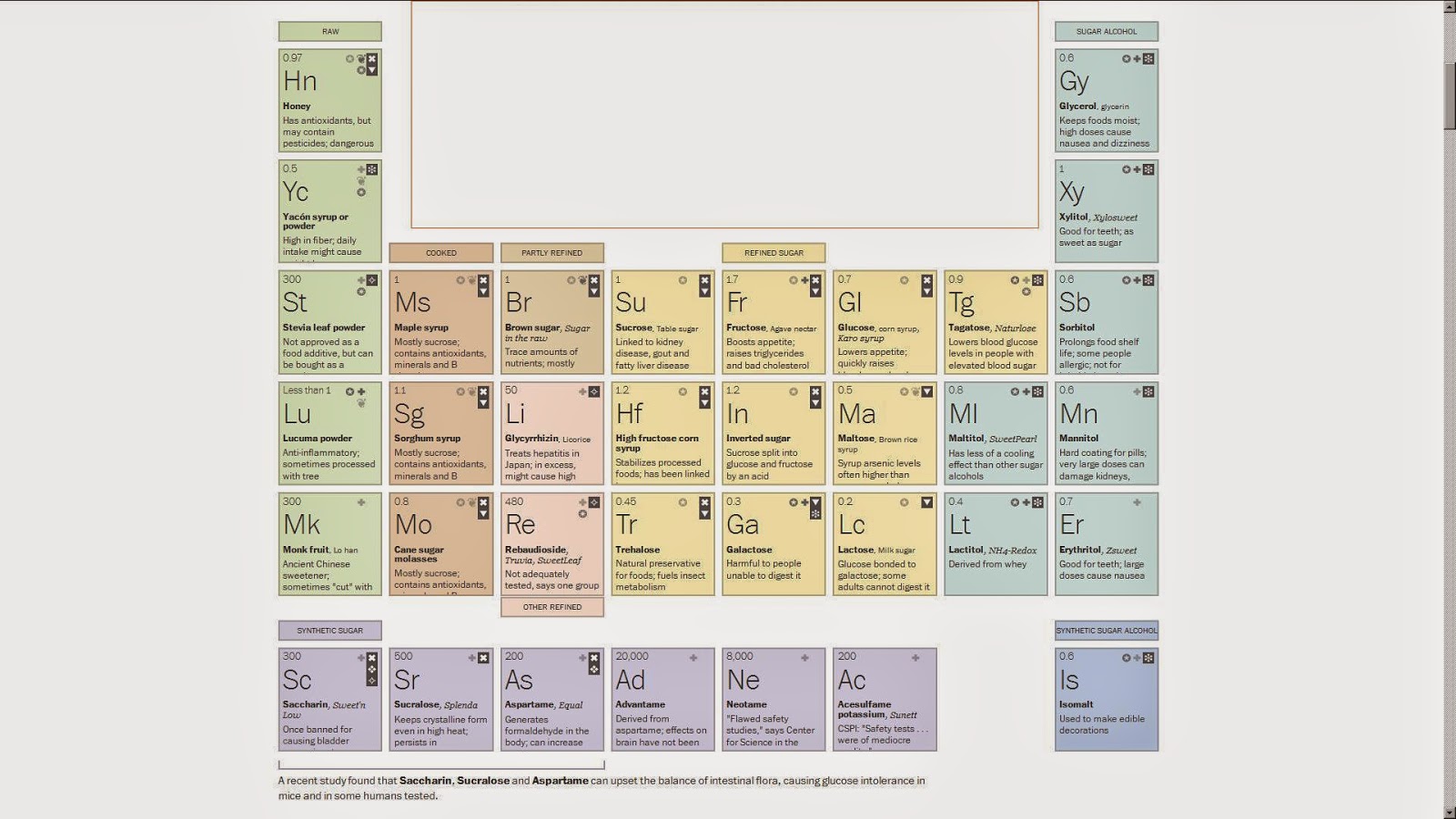
Sweeteners... decoded

Imagem
From The Washington Post graphics - click to access and interact

Feito em Casa: Conservas - culinária para poupar e degustar

Imagem
Tradução minha para a Arte Plural :)

Guacamoleeeee

Imagem

Saber comer é pura Informação

E se o seu organismo não reconhecer aquilo que você come como um alimento? Defende-se, inflama-se, fica doente. É o que fazem muitos dos produtos que levamos à boca. Cristina Sales, médica e especialista em alimentação, garante que na origem da maioria das doenças que afetam o homem do século xxi está o que comemos e o modo como o fazemos. É que os alimentos são veículos de comunicação: dizem às células como devem comportar-se. Precisamos de mudar a forma como nos alimentamos? É obrigatório que o façamos porque a alimentação que a população dos países ocidentais, incluindo Portugal, passou a fazer nos últimos cinquenta anos é o que está na origem da maior parte das doenças endócrinas, metabólicas, autoimunes, degenerativas e alérgicas. As novas epidemias devem-se sobretudo aos estilos de vida e à alimentação que fazemos desde o pós-guerra. A alimentação é decisiva para a saúde e o bem-estar mas está a provocar doenças e a aumentar a mortalidade precoce? A geraç...